“The key to taking care of our clients is taking care of US first.”
– Anthony P. Howard, SPHR, SHRM-SCP, LDSS, PMSCP
Pietential Advisory Board Member

As the business world continues to evolve, the role of Human Resources (HR) has transformed significantly. HR professionals are no longer confined to administrative tasks like hiring and payroll management; they now play a strategic role in aligning the workforce with organizational goals, ensuring compliance, and contributing to a thriving company culture. HR certification has emerged as an essential tool for advancing in the profession, gaining credibility, and fostering personal and professional growth. These certifications not only enhance individual skills but also shape organizations by integrating broader perspectives on talent management, organizational development, and wellbeing.

The Role of HR Certification in Enhancing Wellbeing
One aspect that is often overlooked in discussions of HR certifications, such as the Professional in Human Resources (PHR) and Senior Professional in Human Resources (SPHR), is the growing emphasis on employee wellbeing. Certified HR professionals are trained to look beyond mere compliance and performance management, focusing on the holistic wellbeing of employees. This includes physical, emotional, and psychological health, all of which contribute to a more engaged and productive workforce.
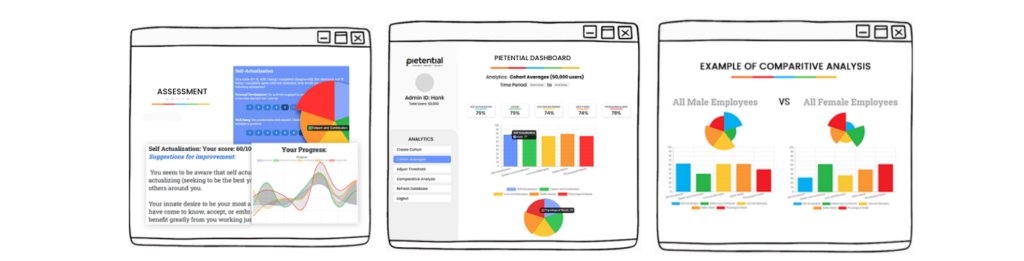
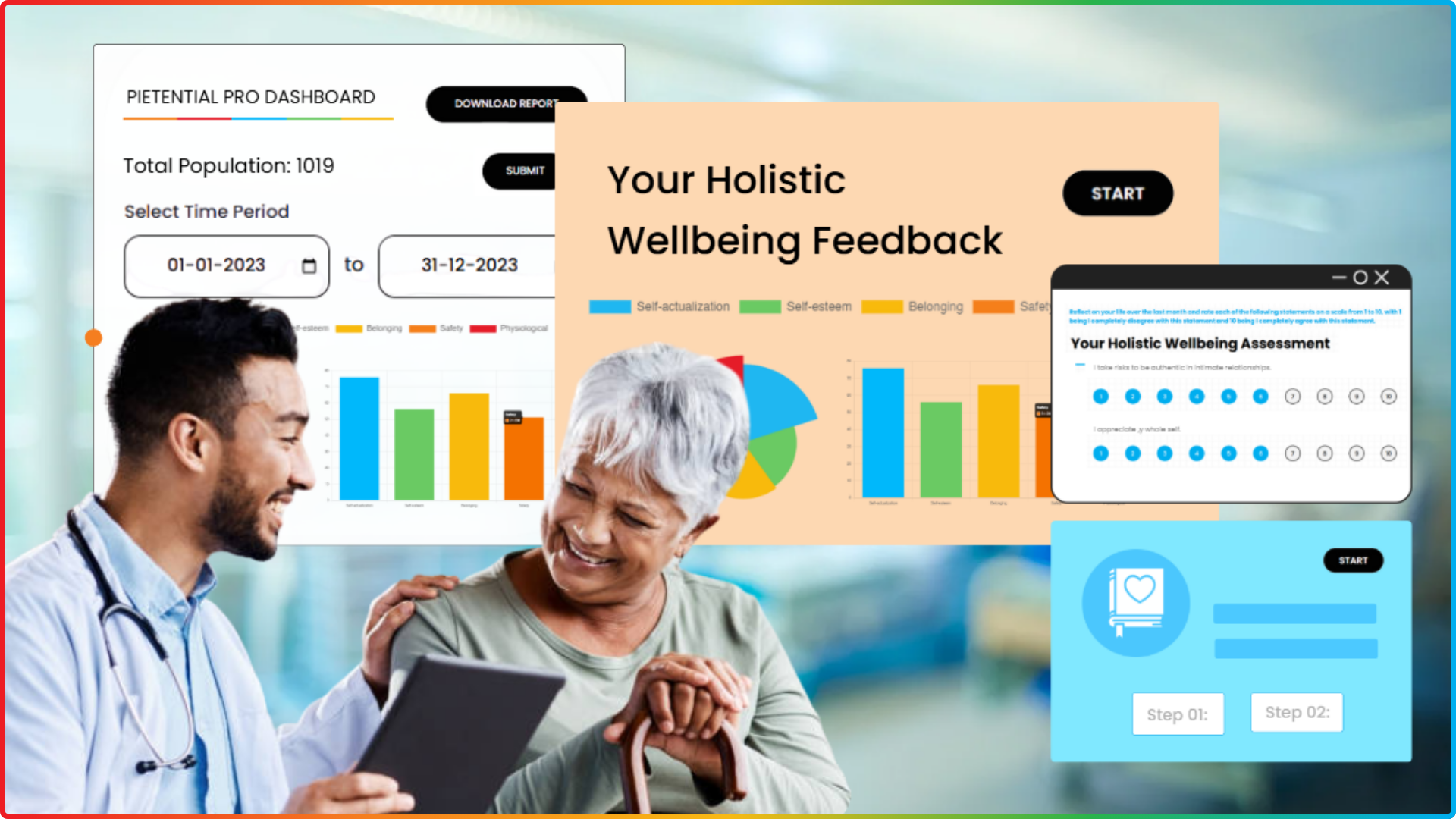
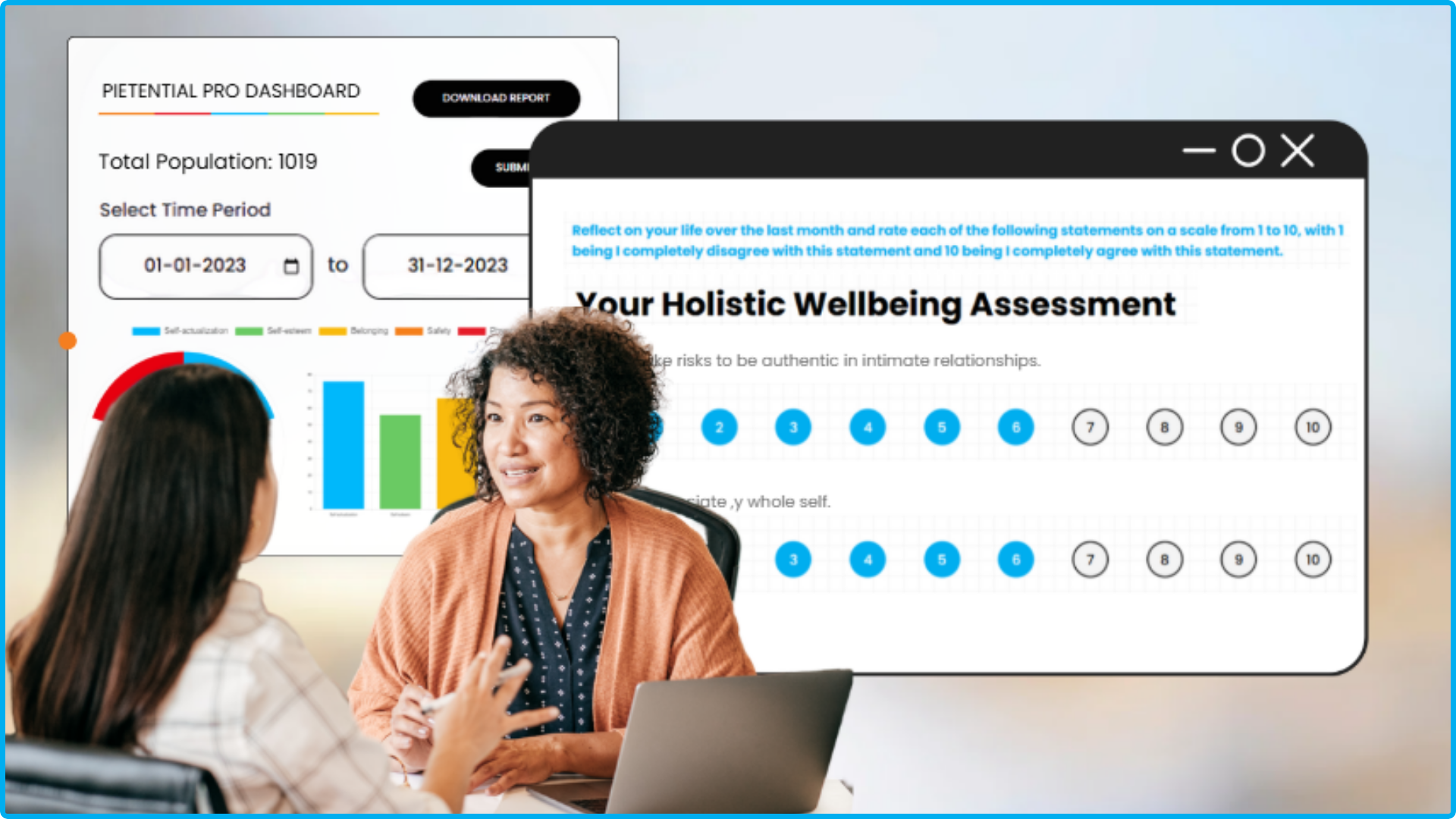
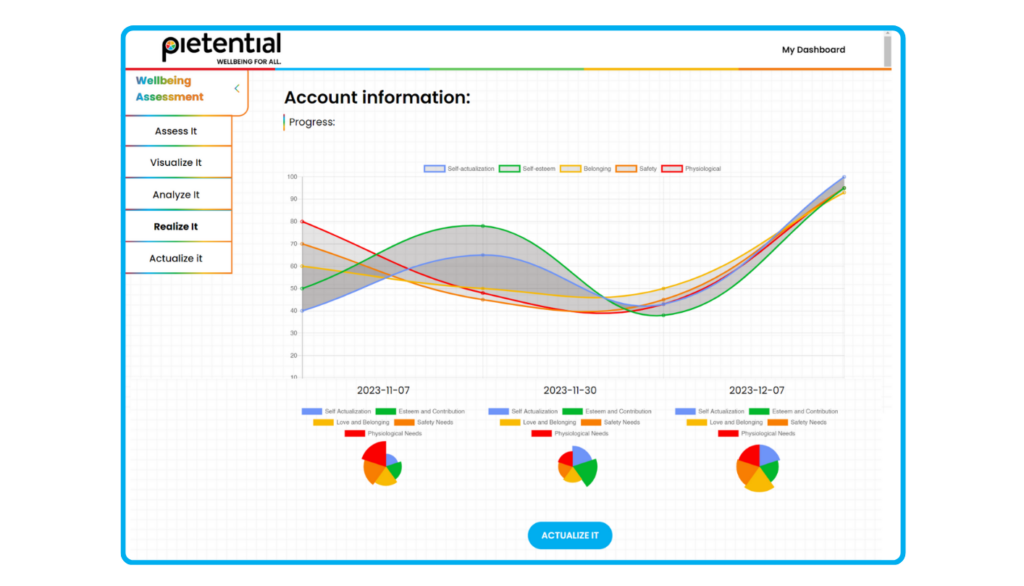
Pietential, a science-backed HR platform, offers a unique lens through which HR leaders can measure and enhance employee wellbeing. By utilizing Pietential’s comprehensive wellbeing assessments, HR professionals can track individual and organizational wellbeing over time, identifying key areas where support or intervention is needed. The platform’s integration of Maslow’s Hierarchy of Needs further allows HR leaders to take a holistic approach, measuring multiple dimensions of human wellbeing—from physiological needs to self-actualization.
Maslow’s Hierarchy of Needs: A Framework for Holistic HR
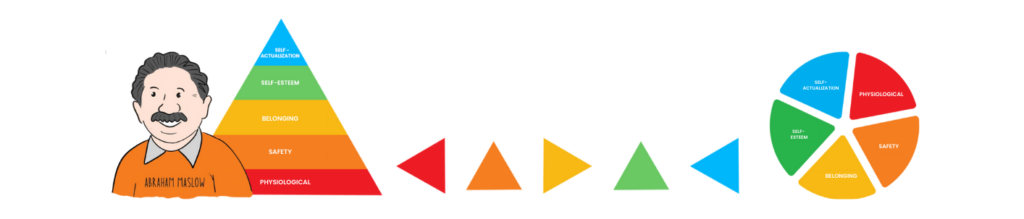
HR certification programs increasingly include Maslow’s Hierarchy of Needs in their curricula, as it provides a robust framework for understanding employee motivation and behavior. Maslow’s model, which categorizes human needs into five levels—physiological, safety, love/belonging, esteem, and self-actualization— offers HR professionals insight into how to foster an environment that supports these needs at every level.
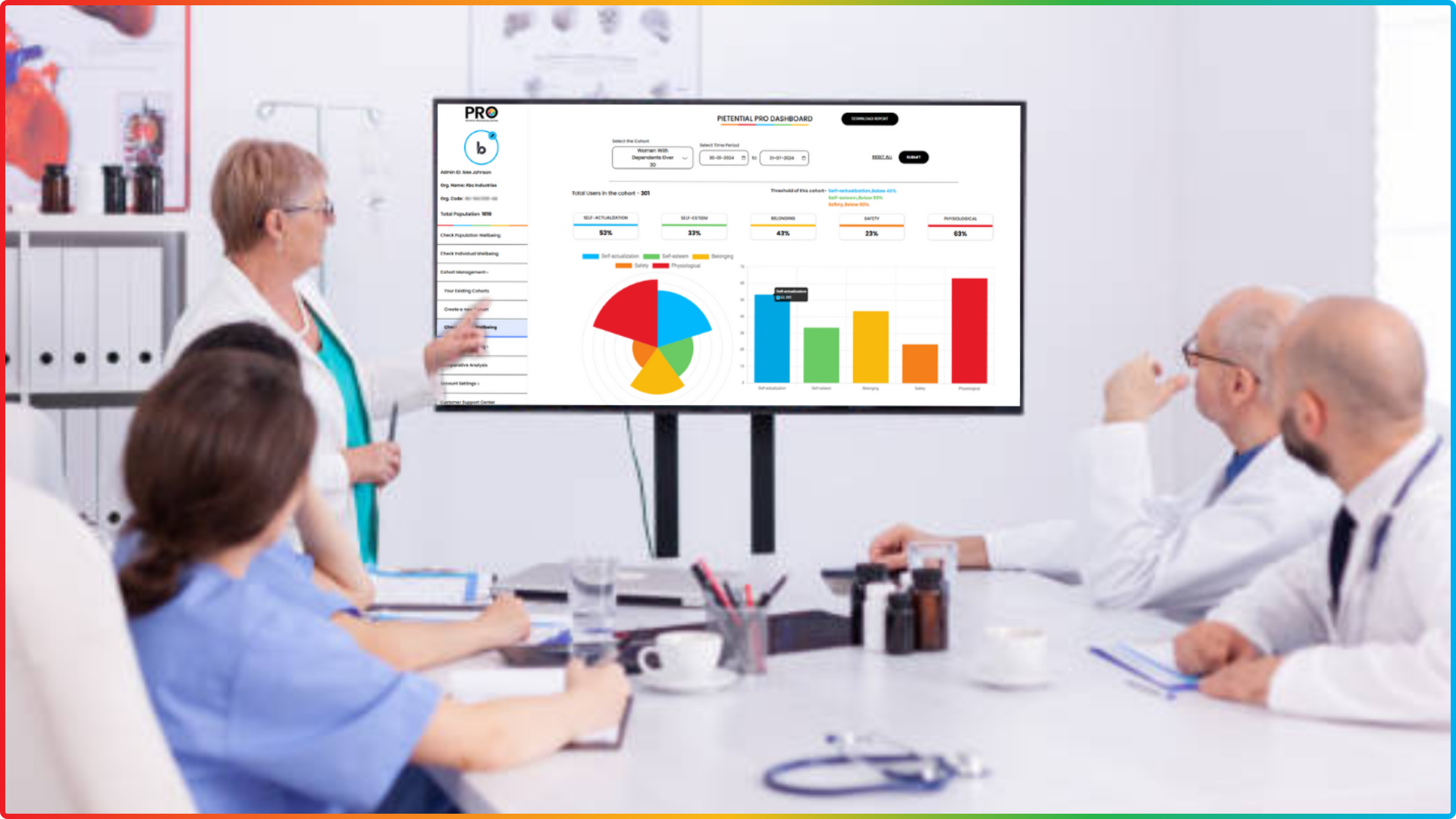
Certified HR leaders can use this framework to assess where employees stand in terms of their wellbeing. For example, employees who are struggling with basic needs such as financial security or workplace safety may not be able to focus on higher-level needs like professional development or belonging. Pietential’s platform enables HR professionals to measure these needs across an organization and develop targeted interventions to address specific areas of concern.
By integrating tools like Pietential, certified HR professionals can apply Maslow’s Hierarchy of Needs in a data-driven manner. This not only supports individual employee growth but also aligns with broader organizational goals such as increasing retention, enhancing engagement, and driving performance.
Certification as a Career Differentiator
HR certification is more than a personal achievement; it is also a critical differentiator in today’s competitive job market. Certified HR professionals are well-positioned to lead initiatives that prioritize wellbeing, diversity, and inclusion, all of which are increasingly important to organizational success. Research consistently shows that companies with robust wellbeing initiatives outperform their peers in terms of employee engagement, productivity, and retention.
Organizations that invest in certified HR professionals also stand to benefit from their ability to implement comprehensive wellbeing programs, which can be instrumental in attracting and retaining top talent. Certified professionals understand the importance of developing a culture that not only meets employees’ basic needs but also supports their growth and fulfillment. Tools like Pietential further empower HR leaders by providing real-time data on employee wellbeing, enabling them to make informed decisions that align with both employee needs and business objectives.
Organizational Benefits of a Wellbeing-
Focused HR Approach
Certified HR professionals are uniquely positioned to bridge the gap between employee wellbeing and organizational performance. By leveraging their knowledge of Maslow’s Hierarchy of Needs and employing platforms like Pietential, HR leaders can implement strategic wellbeing programs that drive measurable outcomes.
For example, HR leaders can use Pietential to conduct longitudinal studies on wellbeing across different cohorts within the organization. This allows them to identify trends, assess the effectiveness of internal programs such as DEI or Employee Assistance Programs (EAPs), and develop targeted interventions that support employee growth. Moreover, by addressing lower-level needs such as safety and security, HR leaders can create a solid foundation upon which higher-level needs like self-esteem and self-actualization can be met.
Certified HR professionals are also essential in fostering a culture of continuous learning and development. This is particularly important for helping employees achieve self-actualization, the “pinnacle” of Maslow’s hierarchy, where individuals are fully engaged in their personal and professional growth. By integrating feedback and growth exercises from platforms like Pietential, HR leaders can ensure that employees are not just meeting performance metrics but are also thriving in all aspects of their lives.
Conclusion
HR certification plays a crucial role in preparing the next generation of HR leaders to meet the complex demands of today’s workforce. As organizations increasingly prioritize employee wellbeing, certified HR professionals must be equipped with the tools and frameworks to support holistic growth and development. By incorporating Maslow’s Hierarchy of Needs and utilizing innovative platforms like Pietential, certified professionals can drive meaningful change that supports both individual and organizational success.
For organizations, the benefits of employing certified HR leaders go beyond compliance and performance management. Certified professionals bring a strategic focus to HR, integrating wellbeing initiatives that not only improve employee satisfaction but also contribute to long-term business success. By fostering a culture that prioritizes wellbeing at every level, organizations can build stronger, more resilient teams that are better equipped to navigate the challenges of the modern workplace.
In conclusion, HR certification is not just an investment in professional development—it is a critical step in creating workplaces that foster growth, innovation, and holistic wellbeing. By leveraging tools like Pietential and grounding their approach in frameworks like Maslow’s Hierarchy of Needs, certified HR leaders can create thriving, high-performing organizations.