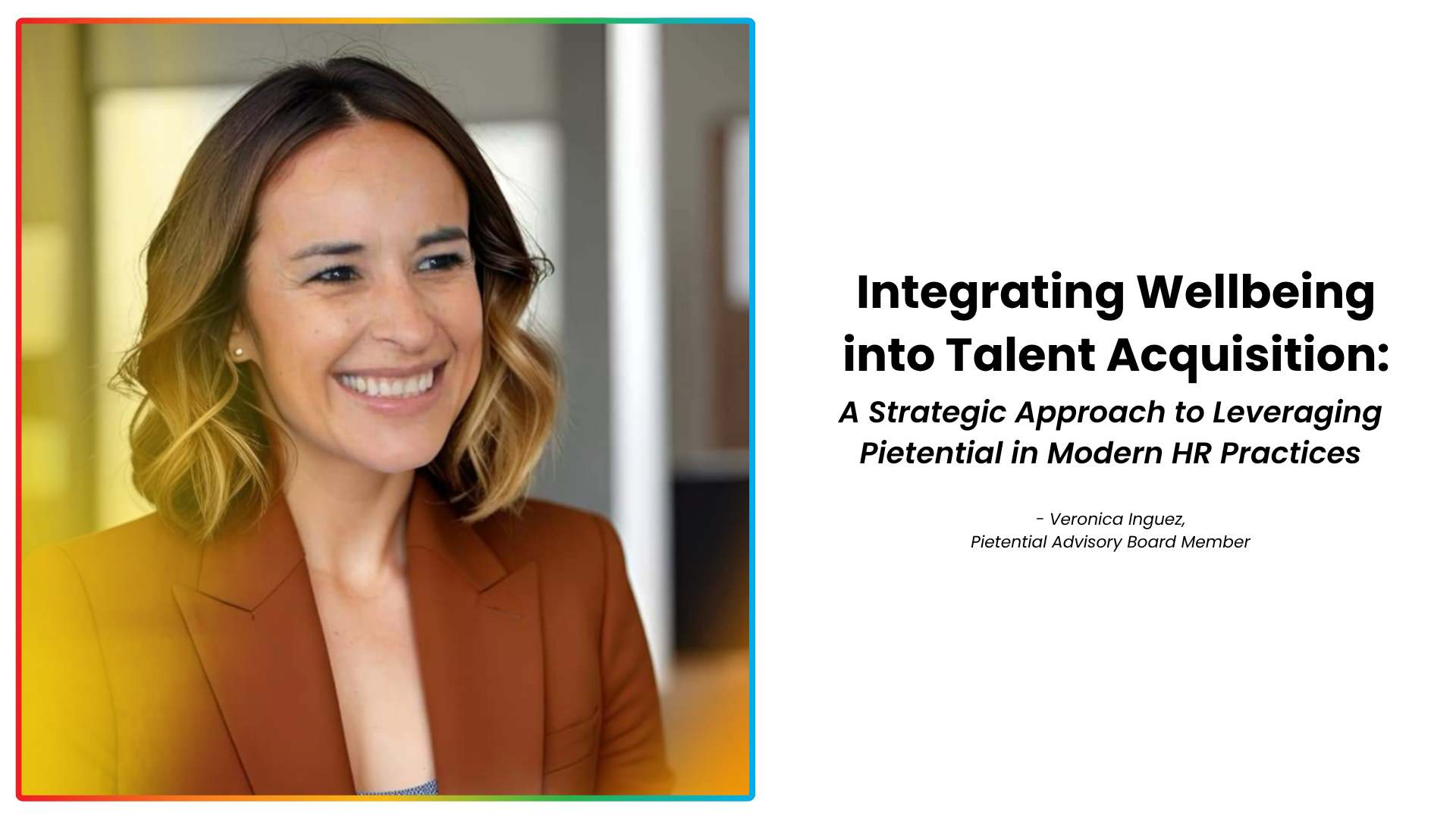
“Belonging and well-being are critical for today’s job seekers. Randstad’s 2024 Work monitor, surveying 27,000 people annually, reveals that belonging remains one of the top four priorities for workers when choosing an employer. Many feel disconnected from their workplace—one-third of workers feel unable to bring their full selves to work, and a fifth maintain separate work and personal personas. These findings underscore the value of partnering with organizations like Pietential to leverage employee well-being data, helping employers attract and retain top talent by addressing core needs for connection and authenticity.”
–Veronica Inguez,
Pietential Advisory Board Member
Executive Summary
Pietential Holistic Wellbeing Platform for Universities
The landscape of talent acquisition is rapidly evolving, with increasing emphasis on employee wellbeing as a strategic priority for employers. Historically, talent acquisition has focused primarily on assessing skills, experience, and cultural fit. However, the modern workforce is demanding a more holistic approach that incorporates mental, emotional, and social wellbeing into the hiring process. This white paper explores how integrating a wellbeing platform like Pietential into the talent acquisition process can enhance employer branding, improve candidate experience, strengthen onboarding, and contribute to long-term retention and engagement.
By leveraging Pietential’s unique capabilities, organizations can create a wellbeing-centric talent strategy that addresses the complexities of today’s labor market, particularly as it pertains to attracting, engaging, and retaining top-tier talent. One of Pietential’s game changing features is the ability for site visitors on an employer’s recruiting page to click on the Pietential logo and access the company’s overall and anonymized wellbeing data by demographic cohort. This unprecedented level of transparency, especially for underrepresented groups (URG) such as women in tech or minority programmers, allows prospective employees to evaluate how the company supports those like them. This is especially appealing for high-demand candidates who prioritize wellbeing and
inclusion.
Introducing Pietential
Pietential is a science-backed, wellbeing benchmarking, development, and monitoring platform designed to assess and enhance the holistic wellbeing of individuals and organizations. Grounded in the MHN (Maslow’s Hierarchy of Needs), Pietential’s five key domains—self-esteem, belonging, safety, autonomy, and interdependence—provide a comprehensive model for understanding wellbeing across multiple dimensions. These domains offer organizations a nuanced understanding of their employees’ holistic wellbeing, addressing the root causes of performance, engagement, and satisfaction rather than focusing on surface-level indicators like productivity.
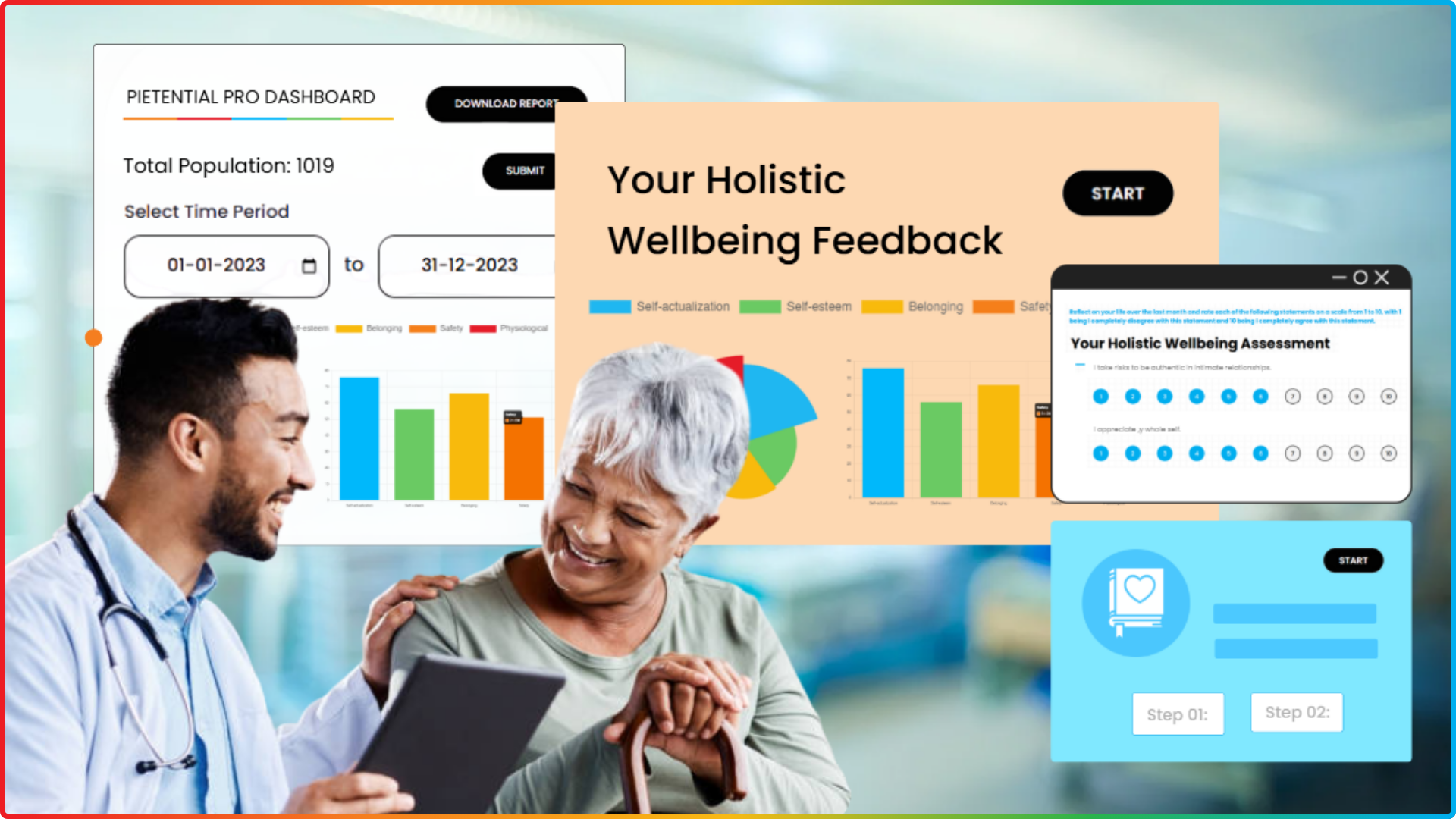
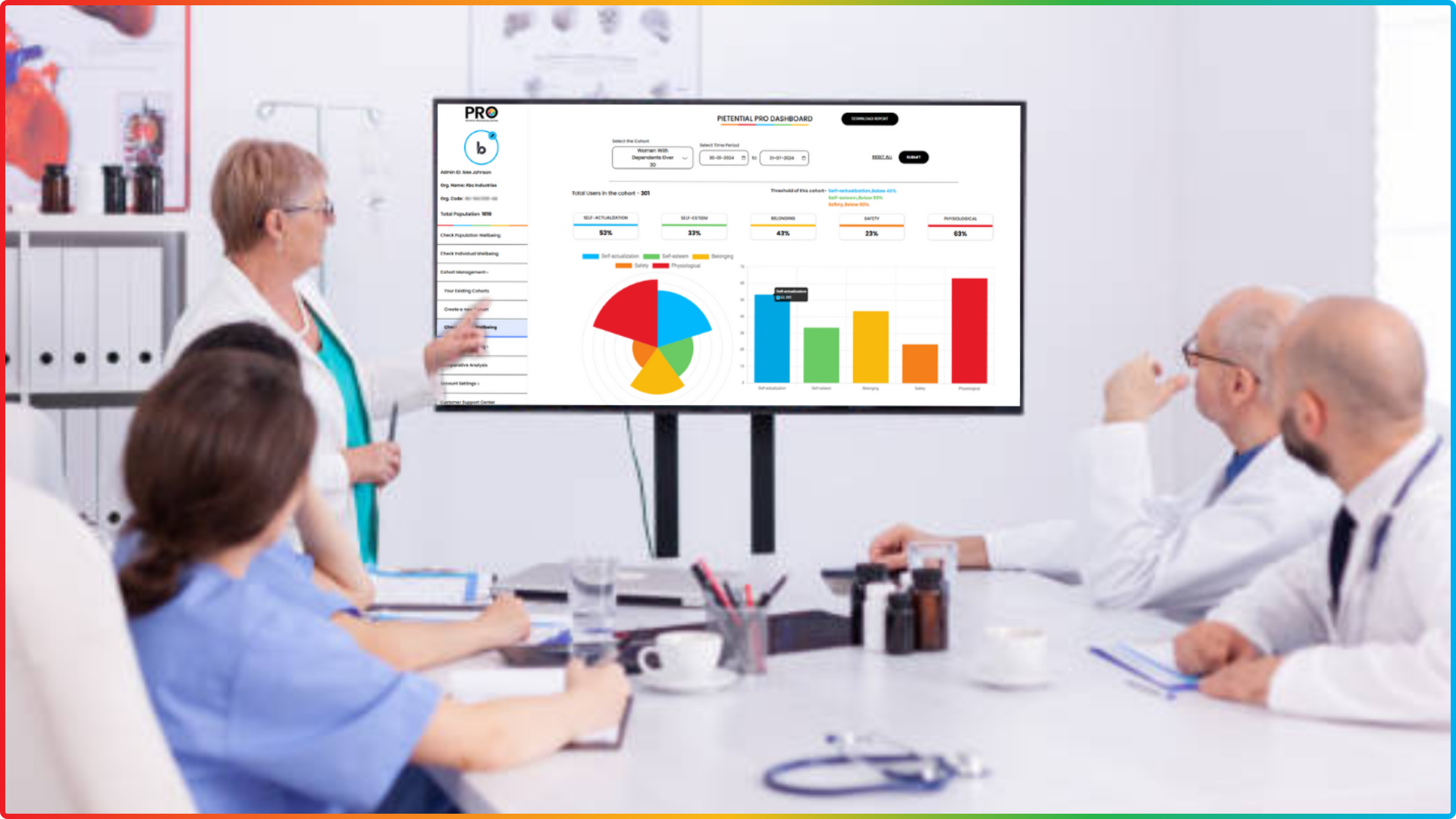
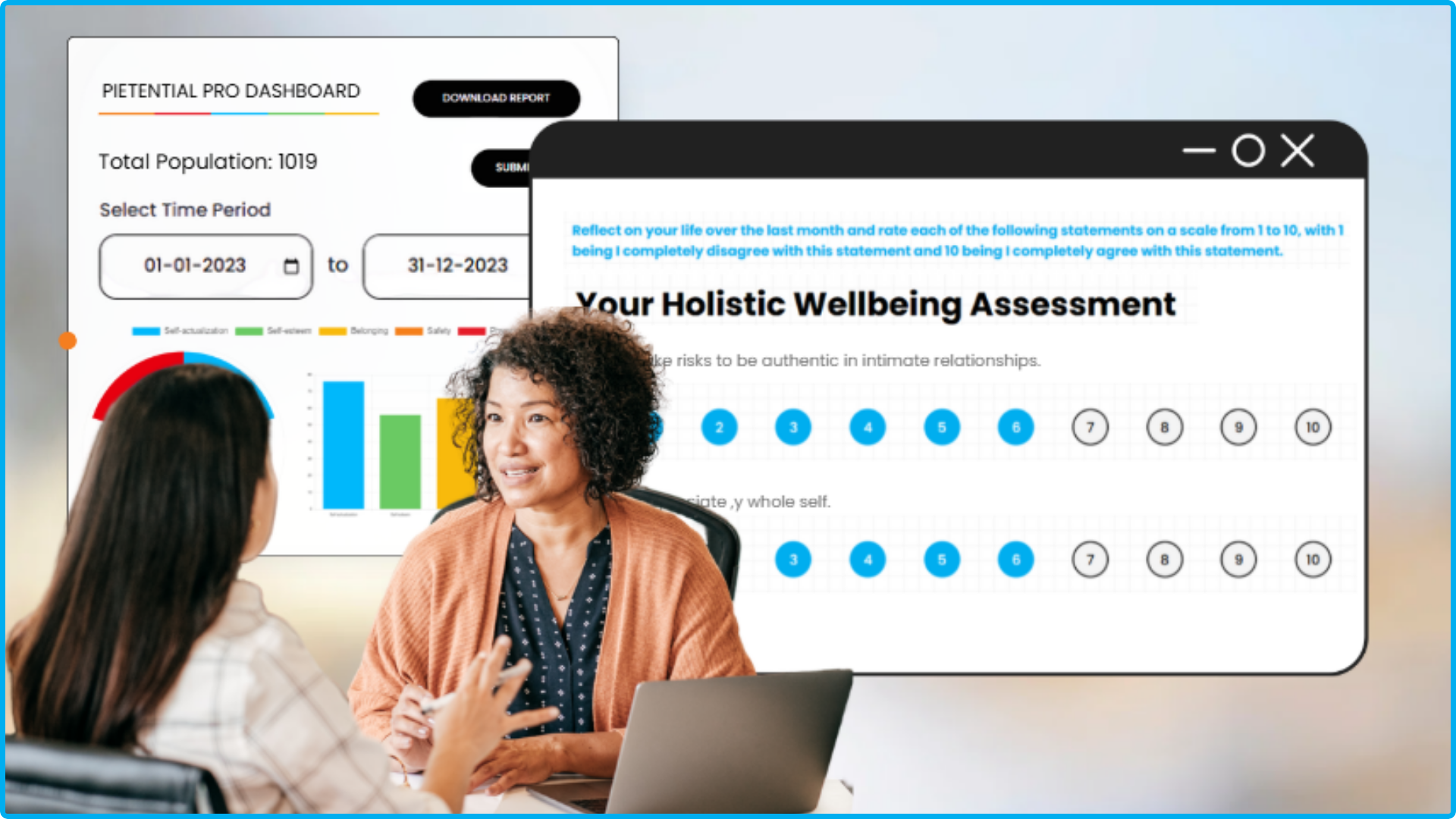
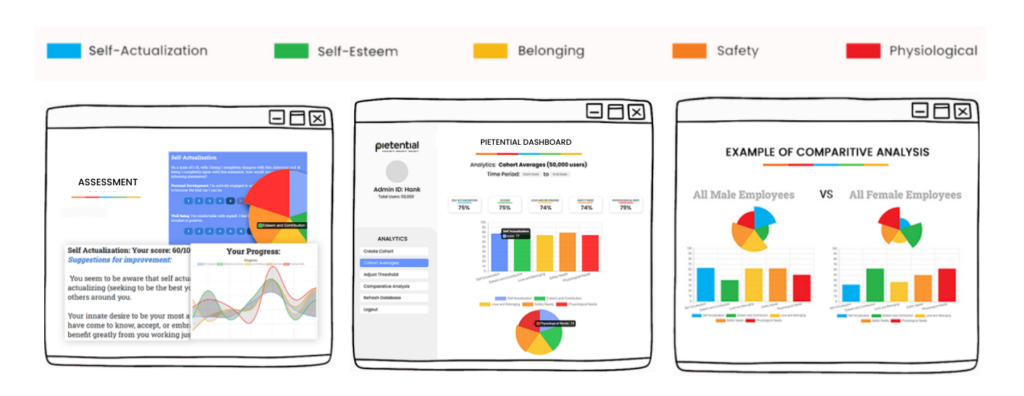
The platform provides organizations with real-time, actionable insights into the wellbeing of their workforce at both the individual and cohort levels. Through features such as assessments, personalized feedback, and guided exercises for personal growth (the “Actualize It” section), Pietential helps individuals and organizations alike monitor, develop, and sustain wellbeing over time. For companies, Pietential offers an enterprise-grade solution that allows HR and leadership teams to analyze wellbeing data, identify wellbeing gaps, and prove the efficacy of internal programs such as diversity, equity, and inclusion (DEI), employee assistance programs (EAPs), and wellness initiatives. By enabling A/B testing and longitudinal wellbeing analysis, Pietential equips organizations with the data necessary to support strategic decision-making related to employee care, risk management, and performance development.
The Shifting Landscape of Talent Acquisition
The talent acquisition process has undergone significant changes over the past decade, driven by a competitive candidate market, advancements in technology, and evolving employee expectations. Some of the key trends shaping this landscape include:
Additional University Uses Cases with Pietential:

Candidate-Centric Market:
Top talent now has greater control over their job choices. With platforms like Glassdoor and LinkedIn offering insight into company culture, candidates are more informed and selective. They are no longer just looking for jobs but are evaluating companies based on factors like work-life balance, inclusivity, and wellbeing practices.

Rise of Employee Wellbeing as a Priority:
Increasingly, candidates are seeking employers that prioritize mental health and overall wellbeing. According to the American Psychological Association, nearly 60% of employees report work-related stress as negatively impacting their mental health. Employers that fail to address these concerns are at risk of losing valuable talent, especially in high-stress industries like technology, law, and healthcare.

Diversity, Equity, and Inclusion (DEI) Initiatives:
DEI is now a central focus in recruitment, with companies being evaluated on how well they create inclusive and supportive environments for underrepresented groups (URG). For many candidates, particularly those from minority backgrounds, it’s not just about being hired but about how the company supports their wellbeing.
In this context, platforms like Pietential offer employers a unique advantage by allowing them to not only demonstrate their commitment to employee wellbeing but also showcase this data in a transparent and accessible way.
The Role of Wellbeing in Talent Acquisition
A comprehensive wellbeing strategy encompasses physical, mental, emotional, and social health, aligning with the employee’s personal and professional needs. Integrating wellbeing into talent acquisition offers several strategic benefits:
- Enhanced Employer Branding: Companies that prioritize employee wellbeing can differentiate themselves in the marketplace, positioning themselves as attractive employers in a competitive candidate-centric environment.
- Improved Candidate Experience: A recruitment process that acknowledge and supports candidate wellbeing can lead to better hiring outcomes and increased candidate satisfaction.
- Onboarding and Engagement: By integrating wellbeing into onboarding, companies can foster early engagement and ensure new hires feel supported from day one.
- Reduced Turnover and Costs: By ensuring a better initial fit between candidates and the company’s culture, organizations can reduce turnover and the associated costs of rehiring and training new employees.
- Data-Driven Decision Making: Platforms like Pietential allow organizations to gather wellbeing data that can inform hiring decisions, aligning candidates’ personal needs with the organization’s culture and support structures.

Leveraging Pietential in Talent Acquisition
Pietential offers several key features that can be strategically deployed throughout the talent acquisition process. Its capabilities in psychometrically validated assessments, real-time feedback, and data-driven insights position it as a critical tool for transforming how companies attract, engage, and retain top talent.
- Employer Branding and Differentiation: Employer branding plays a crucial role in talent acquisition, and Pietential enables companies to position themselves as wellbeing-focused employers. By integrating Pietential into job postings, employer websites, and social media, companies can showcase their commitment to holistic employee care throughout the recruitment process.
- Candidate Assessment and Alignment: Pietential’s wellbeing assessments can be used during the recruitment process to assess candidates’ alignment with the company’s culture and the nature of the role. This is particularly useful for high-stress roles, where understanding a candidate’s wellbeing needs can lead to a better long term fit and improved retention.
- Sharing Company Wellbeing Scores Through Pietential’s Logo: One of Pietential’s standout features is the ability for candidates to view the company’s overall wellbeing scores with a simple click of Pietential’s logo displayed on a company’s page. This feature provides immediate access to transparent data about the health of the organization’s culture, including anonymized demographic data that allows candidates to see how different groups—by gender, ethnicity, or age—are supported. This level of transparency is especially valuable for high-demand professionals, such as women in STEM or minority groups in tech, helping companies differentiate themselves and attract diverse top talent. For example, a minority programmer in a high-demand field could click the logo and explore wellbeing data for employees who share similar demographic characteristics, such as race, gender, or age. This transparency empowers candidates to assess how well the company supports people who ‘look like them’ or share their experiences. It’s a game-changer for candidates from underrepresented groups (URG), who can now evaluate whether the company’s public statements about diversity and inclusion align with actual employee experiences.
- Reducing Turnover and Associated Costs: Employers can offer candidates the ability to view the company’s overall wellbeing scores with just a click. This feature provides candidates with immediate access to transparent data about the health of the organization’s culture. Candidates can also drill down into anonymized demographic data to see how different groups—whether by gender, ethnicity, or age —are supported by the company. This level of transparency, especially for high demand professionals such as women in STEM or minority groups in tech, is a differentiator that can help companies attract diverse top talent.
- Improving Candidate Experience: A recruitment process that integrates wellbeing can significantly enhance the candidate experience. Pietential allows companies to gather feedback from candidates throughout the hiring process, identifying stress points and potential improvements.
- Anonymized Wellbeing Data for Demographic Cohorts: Companies can allow candidates to explore anonymized wellbeing data by demographic cohort, enabling those from underrepresented groups to see how employees like them are supported. For example, a female software engineer can assess how other women at the company fare in terms of wellbeing. This transparency builds confidence and provides a competitive edge in attracting top talent.
- Onboarding and Early Engagement: Pietential’s role extends beyond recruitment into onboarding. By providing new hires with access to wellbeing resources, feedback, and personalized growth exercises through the “Actualize It” feature, the platform fosters early engagement and support, reducing turnover during the critical first year of employment.
- Data-Driven Recruitment Strategies: Pietential’s real-time wellbeing data allows HR teams to identify trends and challenges across new hires. This data-driven approach enables organizations to adjust their recruitment and onboarding processes to better support candidates, especially those entering high-stress roles or industries with high burnout rates.
- Supporting DEI in Recruitment: Pietential’s demographic features allow HR teams to analyze wellbeing data by different groups, providing valuable insights for DEI initiatives. The ability to show candidates, through anonymized data, how well the company supports underrepresented groups is a powerful tool for recruiting diverse talent.
Long-Term Impact on Retention and Engagement
The integration of wellbeing into talent acquisition goes beyond improving recruitment outcomes—it has a lasting impact on employee retention and engagement. Employees who feel supported in their wellbeing are more likely to remain with the company, contributing to a more stable and engaged workforce. Pietential’s ongoing wellbeing monitoring allows organizations to identify and address dips in wellbeing early, enabling proactive interventions that reduce turnover and foster a healthier work environment.
Moreover, wellbeing data gathered during recruitment and early onboarding can inform broader talent management strategies, allowing companies to understand how different cohorts within the workforce are experiencing and engaging with wellbeing initiatives. This data-driven insight supports the development of tailored wellbeing programs and can demonstrate the effectiveness of internal interventions over time, ultimately contributing to an organization’s long-term success.

Conclusion
Incorporating wellbeing into talent acquisition is no longer optional—it is a strategic imperative. Platforms like Pietential offer companies the opportunity to revolutionize their recruitment processes by integrating wellbeing assessments and providing unprecedented transparency into organizational wellbeing data. The ability for candidates to click on the Pietential logo and drill down into demographic wellbeing data is a game-changer, especially for high-demand professionals and underrepresented groups (URG), as it allows them to evaluate how well a company supports people like them.
By showcasing this data and placing wellbeing at the heart of the talent acquisition process, companies can attract diverse top talent, demonstrate their commitment to employee wellbeing, and build trust with potential employees. As competition for talent intensifies, organizations that prioritize wellbeing in their recruitment strategies will position themselves as employers of choice, fostering both short- and long-term success in an increasingly complex labor market. This final section emphasizes the long-term benefits of integrating Pietential into talent acquisition strategies, particularly in terms of retention and employee engagement. Let me know if any further adjustments are needed!